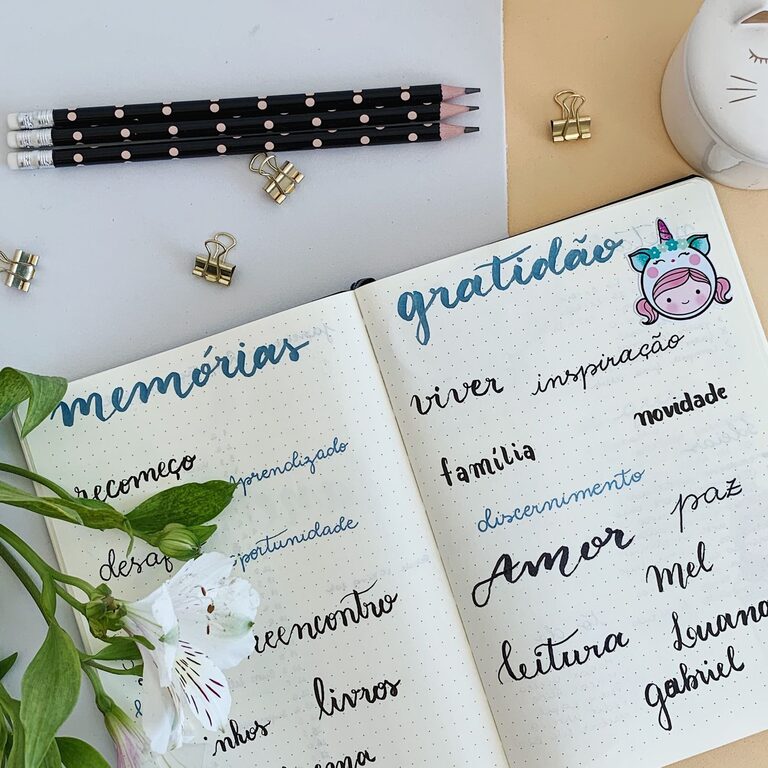

Journaling is a powerful tool that many people use to clear their minds, organize their thoughts, and improve focus. Whether you’re a student, professional, or simply someone looking to enhance your daily routine, journaling can help you gain clarity and stay on track. In this post, we’ll explore how to journal effectively for clarity and focus, with practical tips and step-by-step guidance.
Why Journal for Clarity and Focus?
Clarity means having a clear understanding of your thoughts, goals, and priorities. Focus is the ability to concentrate your attention where it matters most. Together, they can improve decision-making, reduce stress, and increase productivity.
Journaling helps by:
– Clearing mental clutter
– Organizing ideas and tasks
– Tracking progress and challenges
– Encouraging reflection and mindfulness
By putting your thoughts on paper, you create space in your mind to focus on what really matters.
Getting Started: Choose Your Journaling Tools
Before you begin, pick the tools that feel right for you. This might be:
– A traditional paper notebook or journal
– A digital app like Evernote, Notion, or a simple notes app
– A combination of both depending on your situation
The key is to select something you enjoy using and can easily access regularly.
Step 1: Set an Intention for Your Journaling Practice
Start by identifying why you want to journal. Your intention might be to:
– Gain clarity on a specific problem or decision
– Improve daily focus and productivity
– Record personal growth or habits
Write down your intention at the top of your journal or keep it in mind before each session. This sets a clear purpose which helps maintain consistency.
Step 2: Establish a Routine
Consistency is important to make journaling a habit. Try to journal at the same time each day or week, such as:
– First thing in the morning to set your day’s priorities
– During lunch breaks to reflect and reset
– In the evening to review your day and plan tomorrow
Even 5 to 10 minutes daily can lead to significant benefits over time.
Step 3: Use Prompts to Guide Your Writing
If you’re unsure what to write, prompts can provide direction. Here are a few effective ones:
– What’s on my mind right now?
– What are my top priorities today?
– What distractions am I facing, and how can I minimize them?
– What progress did I make towards my goals today?
– What’s one thing I’m grateful for?
These prompts encourage focused reflection and help organize your thoughts.
Step 4: Try Different Journaling Techniques
Different methods work better for different people. Explore these popular journaling styles:
Free Writing
Write continuously for a set time (e.g., 5 minutes) without worrying about grammar or spelling. This helps release mental clutter and reveals hidden thoughts.
Bullet Journaling
Use bullet points to track tasks, events, and notes in a concise, organized way. This method is great for managing daily to-dos and ideas clearly.
Mind Mapping
Draw diagrams connecting ideas around a central topic. Visualizing your thoughts can improve clarity and help you see relationships between concepts.
Gratitude Journaling
List things you’re grateful for. Focusing on positive aspects can improve mental clarity by reducing negative distractions.
Step 5: Reflect and Review Regularly
Periodically (weekly or monthly), review your journal entries to:
– Identify patterns and recurring thoughts
– Assess progress on goals
– Adjust strategies for better focus
– Celebrate achievements, big or small
This reflection deepens your understanding and helps you stay aligned with your intentions.
Tips for Maintaining Your Journaling Practice
– Keep your journal handy to capture ideas anytime
– Don’t worry about perfection—write honestly and openly
– Use colors, stickers, or drawings if that motivates you
– Combine journaling with other habits like meditation or exercise
– Experiment with formats until you find what feels right
Final Thoughts
Journaling for clarity and focus is a simple yet effective way to improve your mental organization, reduce overwhelm, and enhance productivity. By setting clear intentions, creating a routine, and using tailored techniques, you can transform your journal into a valuable personal tool.
Start small, be consistent, and watch how journaling helps you navigate your days with greater clarity and focus. Happy writing!