
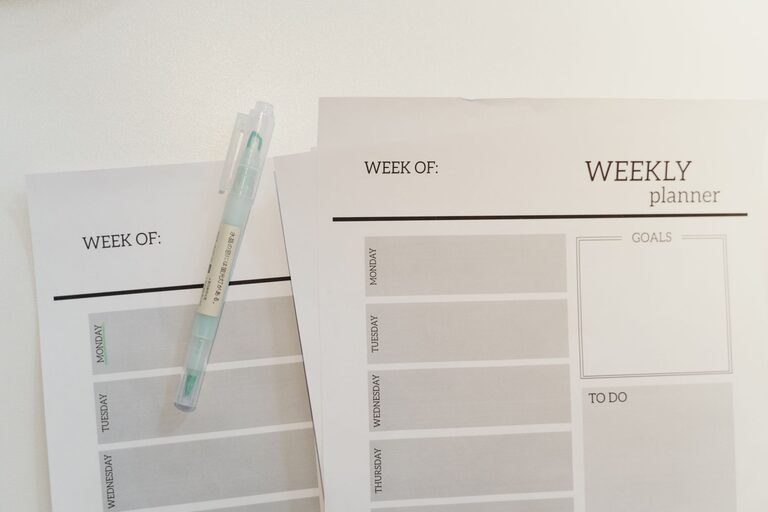
Setting realistic weekly goals is a key habit for staying productive and making steady progress in both your personal and professional life. When goals are clear and attainable, they motivate you to keep moving forward. On the other hand, overly ambitious or vague goals can lead to frustration and burnout.
In this post, we’ll explore how to set weekly goals that are practical and inspiring, helping you balance ambition with realism.
Why Set Weekly Goals?
Weekly goals help break down larger projects into manageable steps. Instead of feeling overwhelmed by a big task, you focus on what you can reasonably accomplish in seven days. This approach creates a sense of momentum and achievement, keeping motivation high.
Additionally, weekly goals let you:
– Track your progress regularly
– Adjust your plans based on what’s working
– Prioritize tasks effectively
– Avoid procrastination by setting clear deadlines
Steps to Set Realistic Weekly Goals
1. Reflect on Your Priorities
Start by understanding what matters most this week. Consider your work responsibilities, personal commitments, and any ongoing projects. Ask yourself:
– What are my top priorities for the week?
– Which tasks will have the biggest positive impact?
– Are there any deadlines or events I need to prepare for?
Writing down your priorities will help you focus on goals that truly matter.
2. Review Your Past Week
Look back at the previous week to see what you accomplished and what challenges you faced. This can give you insight into how much you can realistically handle.
Questions to ask include:
– Did I complete my last week’s goals?
– What slowed me down?
– Did I underestimate or overestimate the time required for tasks?
Use this feedback to set goals that better fit your pace and schedule.
3. Make Goals Specific and Measurable
Vague goals like “get better at marketing” are hard to track. Instead, break your goals down into concrete, measurable actions. For example:
– “Write and schedule 3 social media posts for next week”
– “Complete the first draft of the project report”
– “Exercise for 30 minutes on 4 days this week”
Specific goals make it easier to know when you’ve succeeded.
4. Break Large Goals Into Smaller Steps
If a goal feels too big for one week, split it up. For instance, instead of “Finish entire presentation,” aim for “Create slides for sections 1 and 2.” Smaller steps reduce overwhelm and build confidence.
5. Limit the Number of Goals
Trying to accomplish too many things at once can backfire. Aim for 3 to 5 weekly goals that you can realistically handle. This keeps your focus sharp and reduces stress.
6. Schedule Time for Your Goals
Block out time on your calendar dedicated to working on your weekly goals. Treat these appointments like important meetings to avoid distractions.
7. Stay Flexible
Life happens, and plans may need adjusting. If unexpected tasks come up or a goal takes longer than expected, revise your goals instead of pushing yourself too hard.
Tools to Help You Set and Track Weekly Goals
– To-do lists: Simple checklists can keep your daily tasks organized. Apps like Todoist or Microsoft To Do work well.
– Calendar apps: Google Calendar or Outlook let you schedule focused work time.
– Bullet journals: For those who prefer pen and paper, bullet journals provide a creative and flexible way to track goals.
– Goal-tracking apps: Tools like Habitica, Strides, or GoalsOnTrack can motivate you by tracking progress and sending reminders.
Find the tools that suit your style and needs.
Tips for Staying Motivated
– Celebrate small wins: Acknowledge every completed goal to boost morale.
– Keep goals visible: Write them where you can see daily, like on a whiteboard or phone wallpaper.
– Share your goals: Telling a friend or colleague can increase accountability.
– Review and adjust: At the end of the week, reflect on what worked and what didn’t to improve your next set of goals.
Sample Weekly Goal Plan
| Goal | Action Steps | Scheduled Time | Status |
|————————|————————————|———————-|———-|
| Write blog post draft | Outline, write introduction & body | Monday & Tuesday 2pm | Pending |
| Organize workspace | Declutter desk and files | Wednesday 10am | Pending |
| Exercise 4 times | 30-minute walks or gym sessions | Mon, Wed, Fri, Sat | Pending |
Conclusion
Setting realistic weekly goals is about understanding your priorities, breaking down tasks, and staying organized. By creating clear, manageable objectives, you build momentum and reduce stress, making your weeks more productive and satisfying.
With these tips, you can start setting weekly goals that keep you motivated and moving forward—one step at a time.